
Daily Mango and Avocado Combination Shows Heart Health Benefits for Prediabetics
HEALTH & BEAUTY
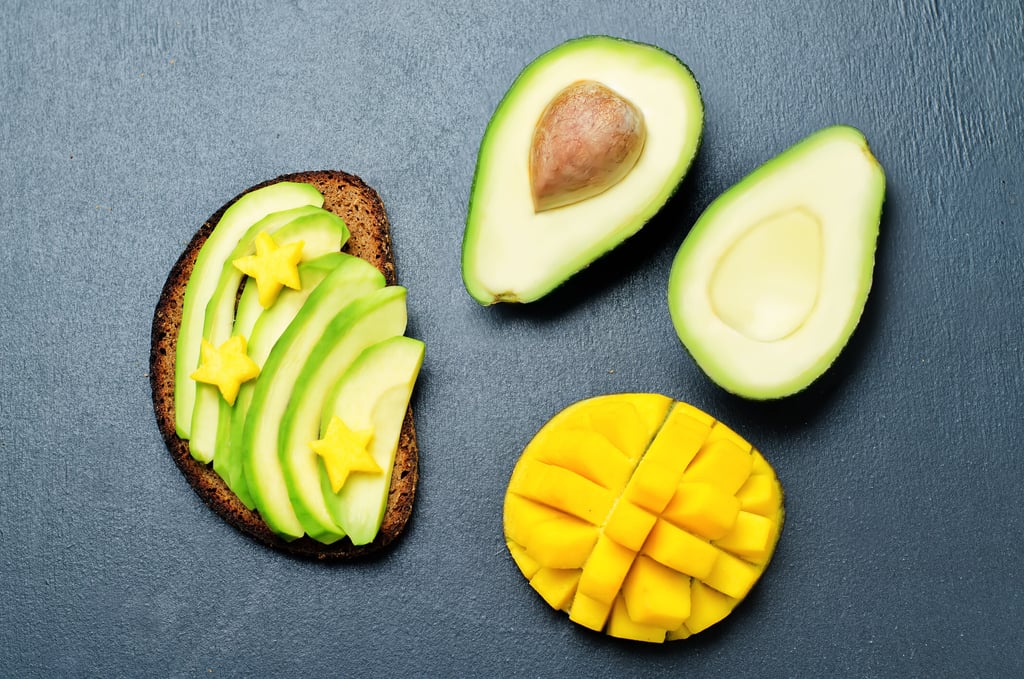
Study Finds Avocado and Mango Consumption May Improve Vascular Function in Adults with Prediabetes.
A new study published in the Journal of the American Heart Association suggests that adding one avocado and a cup of mango to your daily diet may support cardiovascular health, particularly for adults with prediabetes. The research, conducted by Illinois Institute of Technology, found that this simple fruit pairing improved blood vessel function and diastolic blood pressure without requiring major dietary changes or calorie restrictions.
The findings are particularly relevant given that one in three Americans, 98 million people, are living with prediabetes, a condition that increases the risk of developing type 2 diabetes and cardiovascular disease.
Study Design and Findings
Researchers enrolled 82 adults aged 25-60 with prediabetes, overweight or obesity. Participants followed an eight-week, calorie-controlled diet. One group followed an Avocado-Mango (AM) diet that included one medium Hass avocado and a cup of fresh mango daily, while a control group consumed calorie-matched carbohydrate alternatives.
The AM diet group experienced a significant increase in flow-mediated dilation (FMD), a measure of blood vessel health, to 6.7%, compared to a decline to 4.6% in the control group. Improved FMD indicates better endothelial function, which supports healthy circulation.
Diastolic blood pressure also improved significantly, particularly among men. Men in the control group saw an average central blood pressure increase of 5 mmHg, while those on the AM diet experienced a reduction of about 1.9 points. These benefits occurred without changes in calorie intake or body weight, suggesting nutrient-dense fruits can support heart health independently of weight loss.
"This research reinforces the power of food-first strategies to help reduce cardiovascular disease risk, particularly in vulnerable populations like those with prediabetes," said Britt Burton-Freeman, PhD, Principal Investigator and Professor at Illinois Tech. "Small, nutrient-dense additions, like incorporating avocado and mango into meals and snacks, may support heart health without the need for strict rules or major dietary overhauls."
Nutrient Synergy
The study highlights how mango and avocado offer complementary nutritional benefits. Participants on the AM diet saw increases in fiber, vitamin C, and heart-healthy monounsaturated fat—nutrients tied to cardiovascular wellness. Select kidney function markers, such as estimated glomerular filtration rate, also improved.
Mango provides 2 grams of fiber per serving (7% daily value) and is an excellent source of antioxidant vitamin C (50% DV), which may support blood sugar control, weight management, and cardiovascular wellness.
Avocado contributes 3 grams of fiber per serving (11% DV), important for managing cholesterol levels, blood sugar, and body weight. Additionally, avocado provides heart-healthy unsaturated fats (6 grams), which can help reduce LDL cholesterol, and potassium (250mg, 6% DV), important for maintaining healthy blood pressure.
No Changes to Weight or Inflammation
While the study found no significant differences in cholesterol, blood sugar, or inflammation markers, the cardiovascular improvements suggest that strategic additions of nutrient-rich foods can have meaningful health impacts even without broader metabolic changes. The lack of weight gain despite adding these calorie-dense fruits indicates they can be incorporated into existing diets without disrupting energy balance.
Study Methodology and Limitations
All meals were prepared and provided to participants to ensure consistency and met 75% of their daily caloric needs. Remaining calories were self-selected, allowing dietary flexibility while maintaining overall adherence. The controlled feeding design strengthened the study's reliability by minimizing dietary variability.
Study strengths include the parallel structure and focus on whole, nutrient-dense fruits rather than supplements. Limitations include the eight-week intervention period and the specific study population, which provides valuable information for people with prediabetes but may limit applicability to other populations.
The study was supported through an unrestricted grant from the National Mango Board and the Hass Avocado Board, which had no role in the study design or findings.
Practical Applications
The research suggests simple ways to incorporate these fruits into everyday meals. Try adding avocado and fresh mango to salads, smoothies, or grain bowls. Recipes like Mango Avocado Tuna Ceviche or an Avocado and Mango Topper offer flavorful, heart-healthy options.
For people with prediabetes concerned about cardiovascular risk, this research offers an accessible dietary strategy that doesn't require eliminating foods or overhauling eating patterns. Instead, it highlights how targeted additions of nutrient-dense whole foods may support vascular health.
More recipe inspiration and nutrition details are available at Mango.org and LoveOneToday.com.
Related Stories
Lotti Media © 2025-2026
Lotti MEDIA is your go-to source for multi-industry insights, innovation, and more.
Stay in the Know
Join our mailing list today.
Powered by: Lotti Communications