
Dexcom Adds Smart Meal Logging to Stelo Glucose Monitoring System
TECHNOLOGY
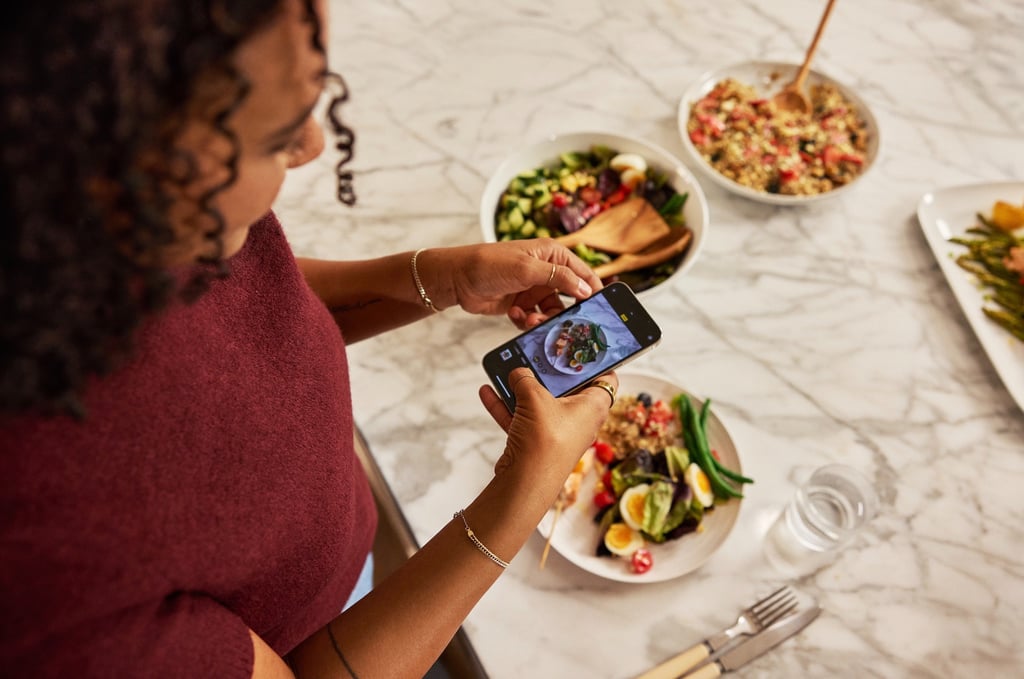
Dexcom, Inc. (Nasdaq:DXCM), the global leader in glucose biosensing, announced it will roll out an advanced AI-enabled enhancement to Stelo.
Glucose monitoring has traditionally shown users what's happening with their blood sugar, but not always why. The connection between specific foods and glucose responses often requires manual logging that many people find burdensome. Dexcom has announced an update to Stelo, its over-the-counter glucose biosensor, that introduces AI-powered meal logging designed to simplify this process.
The new feature aims to make it easier for users to understand how individual meals and ingredients affect their glucose levels, turning the device into a more comprehensive tool for metabolic health management.
Beyond Simple Logging
Building on the Smart Food Logging feature introduced last year, the new enhancement integrates a massive nutrition database of over one million food options. Users can now log meals via text search, barcode scanning, or simply taking a photo.
The platform then provides an automatic nutritional breakdown, revealing the specific impact of calories, carbohydrates, protein, fat, and dietary fibers on the user's glucose levels. By automating this breakdown, Dexcom is removing the primary friction point that prevents consistent metabolic tracking.
“The latest update will eliminate nutrition tracking friction so users can make informed, health-conscious decisions,” said Girish Naganathan, CTO at Dexcom.
Behavioral Science in Action
Alongside the food logging update, Dexcom is rolling out a redesigned Daily Insights feature. This system uses a card-based interface to deliver up to three personalized recommendations based on the previous day's glucose, activity, and sleep data.
In a brilliant use of behavioral science, a fourth card focuses on reflection and action, using AI to maintain context day-over-day and ensuring that the coaching evolves as the user progresses.
From Guesswork to Knowledge
The expansion comes as early data shows that Stelo is already driving behavior change. After just 30 days of use, the majority of Stelo users report positive changes in dietary patterns and weight-management habits.
“Before Stelo, I was guessing how different foods affected my glucose, now I actually know,” said Mike Golic Sr., sports broadcaster and Stelo ambassador. “This isn't just about better technology, it's about giving people the information to stay ahead of their metabolic health instead of always playing catch-up.”
When Data Becomes Actionable Insight
Dexcom's update to Stelo reflects this evolution by automating the connection between meals and glucose responses.
For health technology companies, the challenge is clear: data alone doesn't change behavior. Users need context and guidance that doesn't require extra effort. By automatically breaking down macronutrients and offering personalized recommendations, Dexcom is positioning Stelo as more than a monitoring tool—it's becoming a coaching platform that helps users make informed decisions without added friction.
The broader trend is toward systems that reduce the work of staying healthy. When technology can handle the tracking, analysis, and interpretation, users are more likely to stay engaged and see meaningful results. Brands that remove barriers between data collection and practical action have a better chance of becoming indispensable in users' daily routines.
Related Stories
Lotti Media © 2025-2026
Lotti MEDIA is your go-to source for multi-industry insights, innovation, and more.
Stay in the Know
Join our mailing list today.
Powered by: Lotti Communications