
Food Retailers Balance Rising Costs with Expanded Health and Wellness Offerings, 2026 Report Finds
HOSPITALITY
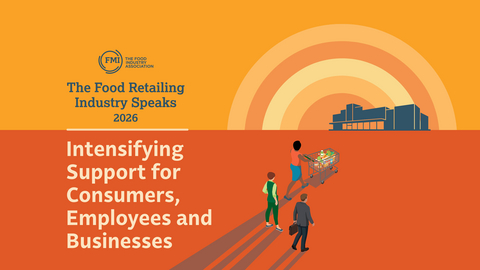
2026 Food Retailing Report highlights industry focus on value and consumer well-Being
The 77th Annual Food Retailing Industry Speaks Report, released by FMI – The Food Industry Association, reveals a food industry undergoing rapid transformation. According to the Business Wire release, retailers and suppliers are investing heavily in technology, store enhancements, and health‑driven product strategies, even as they navigate inflation, supply chain pressures, and shifting consumer expectations.
Technology Is Reshaping Grocery Stores
FMI’s analysis shows that food retailers are prioritizing tech adoption to improve both operations and customer experience. Executives report significant investments in:
Enhanced store technology to streamline operations and reduce friction
Data analytics for loss prevention and smarter decision‑making
Artificial intelligence to support supply chain logistics, workforce planning, and marketing
These investments are designed to create more efficient, more enjoyable, and more personalized in‑store experiences. Even with tight margins, retailers are modernizing store layouts, improving key departments, and expanding fresh‑food offerings.
Consumers Want Value, Health, and Better Experiences
The report highlights a major shift in consumer priorities. Shoppers are increasingly sensitive to:
Food costs
Nutrition and wellness
Quality of fresh foods
Convenience and frictionless shopping
Retailers are responding by expanding health‑focused product assortments, improving customer service, and offering local, high‑quality fresh foods. FMI notes that 76% of food retailers now prioritize nutrition, health, and well‑being as core product strategies.
In‑Store Shopping Still Matters
Despite omnichannel growth, FMI’s research shows that consumers still value the physical grocery store experience. Shoppers say in‑store visits give them:
Greater control over selecting fresh items
A sense of connection and enjoyment
Opportunities for discovery
Confidence in product quality
The physical store remains central to household food routines, with shoppers visiting more than five different grocery banners per month to meet diverse needs, from bargain hunting to entertainment‑driven shopping.
Economic Pressures Are Real, but Innovation Continues
The report acknowledges significant challenges:
90% of retailers and suppliers report negative impacts from international trade and tariffs
82% of suppliers cite inflation concerns affecting consumer behavior
Supply chain disruptions continue to affect two‑thirds of retailers
Profit margins remain thin at 2.1%, despite slight improvement over the prior year
Even with these pressures, retailers are investing in store upgrades, fresh‑food departments, customer service, and technology enhancements to maintain strong shopper experiences.
Five Strategies Defining the Future of Food Retail
FMI identifies five core strategies shaping the industry:
Adapting to the marketplace
Addressing consumer needs from health to value
Optimizing the shopper experience
Leveraging technology for progress
Strengthening business resiliency
These strategies reflect a sector committed to innovation, even in a volatile economic landscape.
Related Stories
Lotti Media © 2025-2026
Lotti MEDIA is your go-to source for multi-industry insights, innovation, and more.
Stay in the Know
Join our mailing list today.
Powered by: Lotti Communications