
Inside the 18-Month Journey to Mattel's First Autistic Barbie Doll
MARKETING
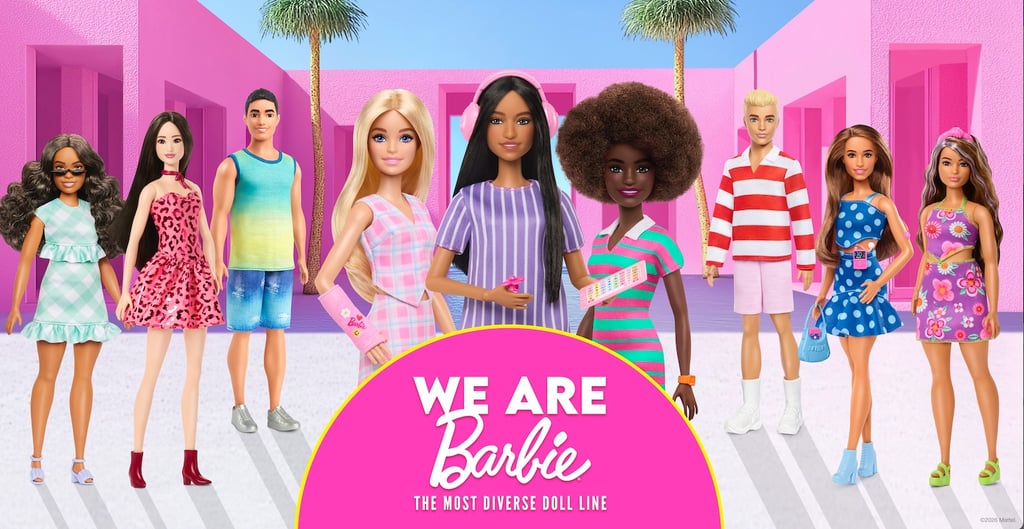
Mattel, Inc., has unveiled its first-ever autistic Barbie doll created with guidance from the autistic community.
For over 60 years, Barbie has evolved from a fashion icon into a mirror for the world kids see around them. Today, Mattel took its most significant step yet toward neurodiverse representation, unveiling the first-ever autistic Barbie doll.
Developed over 18 months in close partnership with the Autistic Self Advocacy Network (ASAN), the doll joins the Barbie Fashionistas collection, a line already celebrated for representing individuals with Down syndrome, blindness, and various medical conditions.
Intentional Design: Reflecting Lived Experience
What makes this launch notable isn't just the "first" title; it’s the meticulous, community-led design. In collaboration with ASAN, Mattel made intentional choices to ensure the doll authentically reflects common experiences within the autistic community:
Movement and Articulation: The doll features elbow and wrist articulation to enable "stimming," hand flapping, and other gestures used to process sensory information.
The "Eye Gaze": Her gaze is shifted slightly to the side, reflecting how some autistic individuals may avoid direct eye contact.
Sensory Accessories: She comes with pink noise-canceling headphones to manage sensory overload, a tablet featuring symbol-based communication apps (AAC), and a pink fidget spinner that actually spins.
Sensory-Sensitive Fashion: Her purple pinstripe dress is loose-fitting with minimal fabric-to-skin contact, and she wears flat shoes for stability.
The Power of Being Seen
“Barbie has always strived to reflect the world kids see... every child deserves to see themselves in Barbie,” said Jamie Cygielman, Global Head of Dolls at Mattel.
For advocates like Madison Marilla, the launch is deeply personal. "Dolls have always brought me comfort, stability, and joy... This autistic Barbie makes me feel truly seen and heard," she shared.
Play with Purpose: Building Empathy
Beyond representation, the doll serves as a tool for neurotypical children to build empathy. Mattel’s ongoing research with Cardiff University suggests that doll play activates brain regions involved in social processing and empathy, skills that are critical for all children to develop as they navigate a diverse world.
A Commitment to Community
To mark the launch, Barbie is donating over 1,000 dolls to leading pediatric hospitals, including Children’s National Hospital and Children’s Hospital Los Angeles, ensuring that the message of "dreaming big and living proud" reaches the children who need it most.
The autistic Barbie doll is available now on Mattel Shop and at major retailers. As the toy aisle becomes more inclusive, Barbie is proving that while she may be just 11.5 inches tall, the impact of feeling understood is immeasurable.
Related Stories
Lotti Media © 2025-2026
Lotti MEDIA is your go-to source for multi-industry insights, innovation, and more.
Stay in the Know
Join our mailing list today.
Powered by: Lotti Communications