
Is Gardening the Secret to Long-term Exercise?
HEALTH & BEAUTY
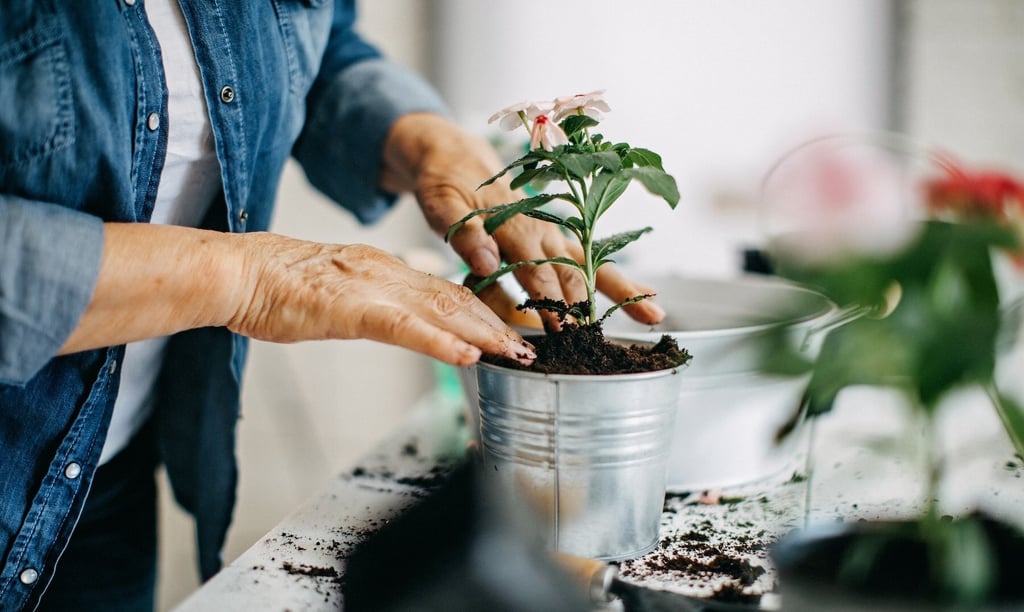
Mather Gardening Study.
While there are many ways for older adults to stay active, maintain mental wellbeing, and engage with others, one hobby stands out for its simplicity and accessibility: gardening.
Physical Activity Benchmarks and Adherence Patterns
A new study from Mather Institute shows evidence that gardening supports older adults' physical and psychosocial wellbeing, while also offering insights into how more people can participate. One key finding from the online survey of more than 2,000 adults 55 and better is how much physical activity gardeners get.
The Centers for Disease Control and Prevention recommends older adults spend at least 150 minutes of moderate aerobic physical activity or 75 minutes of vigorous physical activity each week. Many older adults who garden far exceed these guidelines, averaging approximately five hours of gardening per week, and the majority maintain it over the decades.
The sustained adherence represents significant finding given documented challenges in maintaining exercise regimens among older adult populations. The five-hour weekly average represents double CDC minimum recommendations, suggesting gardening's intrinsic rewards drive continued participation beyond compliance motivation.
Psychosocial Outcomes and Wellness Integration
Beyond physical wellbeing, gardening was also linked to better psychosocial outcomes in older adults. Those who garden have a stronger sense of purpose, satisfaction with life, and sense of gratitude when compared to non-gardeners.
"Older adults are interested in ways to improve their wellness, and gardening is a secret way to achieve this goal," said Jennifer Smith, Vice President of Mather Institute. "From our research, we also found gardeners tended to consume significantly more fruit and vegetables and engage in other healthy eating habits more often, and the rewards of this simple hobby can be truly meaningful. We hope this research offers accessible steps older adults can take to nurture their gardening journey so they can age well."
Comprehensive Health Behaviors and Economic Impact
Other notable findings from the gardening report include older adults who garden reporting engagement in significantly more healthy behaviors on average compared to their non-gardening counterparts, such as exercising, eating a balanced diet, seeing dentists and doctors, and getting enough sleep. People who grow their own produce estimated saving $36 on their weekly grocery bill, which could equate to savings of approximately $1,500 per year.
Approximately 75 percent of respondents garden to spend time outside, while 63 percent do so to improve mental health and 60 percent to improve physical activity. Older adults who garden have a significantly greater connection to nature and spend an average of 11 hours per week outdoors compared to seven hours for non-gardeners.
The nature connection differential represents meaningful mental health intervention given documented benefits of nature exposure for reducing anxiety, improving mood, and supporting cognitive function in aging populations.
Barrier Identification and Intervention Strategies
The gardening report also reveals the perceived barriers that keep older adults from gardening, including a lack of physical space, health-related challenges, and limited social benefits. To transform these barriers into opportunities, Mather Institute recommends older adults use hydroponic gardens in indoor spaces, which use soil-free and LED lighting systems that can grow plants and produce year-round.
Mather provides free Grow-It-Together Garden Kits to Illinois residents age 55 and better, which include a complimentary hydroponic garden with seeds, materials, and instructions, everything needed to grow five types of herbs or vegetables at home. Additional recommendations include utilizing raised container gardens and ergonomic tools that don't require bending or crouching, and participating in community garden spaces, workshops, harvest swaps, and online gardening groups to provide opportunities for connection.
The hydroponic intervention addresses urban density and mobility constraints simultaneously while the free kit distribution reduces financial barriers enabling trial without upfront investment risk.
Research Portfolio and Future Agenda
The gardening study is just one of a series of studies planned by Mather Institute this year to advance wellbeing and healthspan. Additional research topics will include Aging Well Across Countries, Pets and Solo Agers, and an impact study on how robots provide social connection opportunities with those living in senior living communities.
The full gardening report is available at MatherInstitute.com.
About Mather and Mather Institute
Based in Evanston, Illinois, Mather operates as a not-for-profit organization founded in 1941 dedicated to a vision of changing the way society views aging. Mather creates Ways to Age Well through programs, places, and residences for today's older adults.
These include developing and operating communities that support older adults in pursuing wellness and fulfillment; sparking creativity and connections for older adults in Chicagoland and beyond; and through Mather Institute, conducting research and incubating innovation to help all live and age well.
Related Stories
Lotti Media © 2025-2026
Lotti MEDIA is your go-to source for multi-industry insights, innovation, and more.
Stay in the Know
Join our mailing list today.
Powered by: Lotti Communications