
Vibe Retail Unifies the In-Store Stack for 2026
TECHNOLOGY
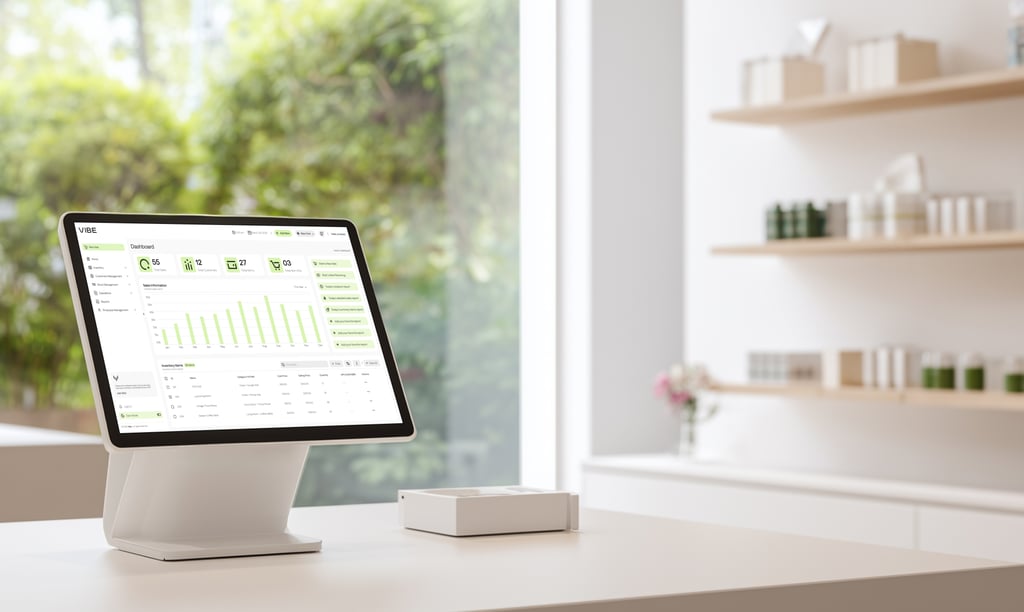
The growing adoption of Vibe Retail reflects a strategic evolution across the industry, as merchants embrace the next generation of flexible, cloud-native tools to better serve the modern shopper.
As the retail landscape grows more complex, we’re seeing a proactive move toward adaptable, cloud-based technology that unifies in-store operations with unprecedented ease and clarity.
Vibe Retail, a Brooklyn-based startup, is seeing a significant surge in momentum as merchants move away from disjointed legacy systems in favor of flexible, cloud-based alternatives. Whether it’s an independent boutique or a multi-location enterprise, the demand for a unified, data-driven in-store experience is reaching a fever pitch.
Breaking Free from Fragmented Tech
The traditional retail stack is often a "Frankenstein" of disconnected tools: one for inventory, one for payments, and another for customer data. This fragmentation doesn't just slow down the checkout line; it creates a massive visibility gap for owners trying to scale.
Vibe Retail addresses this by unifying the entire in-store operation into a single, cloud-based dashboard. By re-centering the POS as a hub for speed, reliability, and actionable insights, the platform allows retailers to regain control over their businesses.
“Retailers are actively rethinking the systems they rely on to run their businesses,” said Shmuly Preizler, Co-Founder & CEO of Vibe Retail. “After years of building Vibe alongside real merchants, we're seeing increased demand for modern in-store technology that gives retailers more control and clarity.”
Driven by Consumer Expectations
This shift isn't just about operational efficiency; it’s a response to the "Amazon-ification" of the physical store. Modern consumers expect real-time inventory accuracy, lightning-fast transactions, and a personalized experience, none of which are easily achievable on an aging, server-bound POS system.
The growing adoption of Vibe Retail across diverse markets highlights a broader industry trend: the transition toward accessible and scalable retail technology. Cloud-based architecture means that retailers no longer have to worry about local server crashes or manual software updates. Instead, they can focus on what they do best, serving their customers.
A Partnership-First Approach
Perhaps the biggest differentiator for Vibe is its focus on implementation. Many legacy providers sell a box and walk away, leaving merchants to figure out the integration themselves. Vibe emphasizes long-term partnerships, working closely with retailers to ensure a seamless transition that doesn't disrupt daily operations.
As rising costs and fragmented commerce tools continue to squeeze margins, the "momentum" behind Vibe Retail suggests that the era of the clunky cash register is finally coming to an end. In 2026, the most successful retailers won’t just be selling products; they’ll be leveraging modern tech to create a frictionless, data-rich environment for every customer who walks through the door.
Related Stories
Lotti Media © 2025-2026
Lotti MEDIA is your go-to source for multi-industry insights, innovation, and more.
Stay in the Know
Join our mailing list today.
Powered by: Lotti Communications